





A GROUP which speaks up for swifts has welcomed new legislation in Scotland aimed at making properties more welcoming for our feathered friends.
Swift Friends Wyre Forest welcome the law approved north of the border to provide swift bricks in new homes.
And it said the same legislation should be introduced in England.
Clair Amos, the chair of Swift Friends Wyre Forest, told the Standard: “This is not a new campaign, there has been long standing work over several years by Hannah Bourne Taylor – The Feather Speech Campaign, supported by the RSPB, Swift Conservation and the many swift groups around the country.
“They have been calling for swift bricks to be made compulsory in new housing in Britain.”
A petition gained 110,000 signatures but this was unfortunately blocked by the Government.
In late 2025, the Government announced reforms to the national planning framework In England but the House of Lords voted against the measure.
“So the fight for swift provision in England goes on,” added Clair.
How do they work
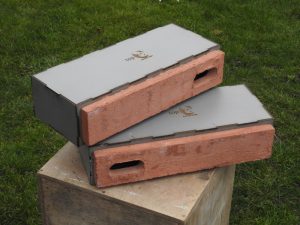
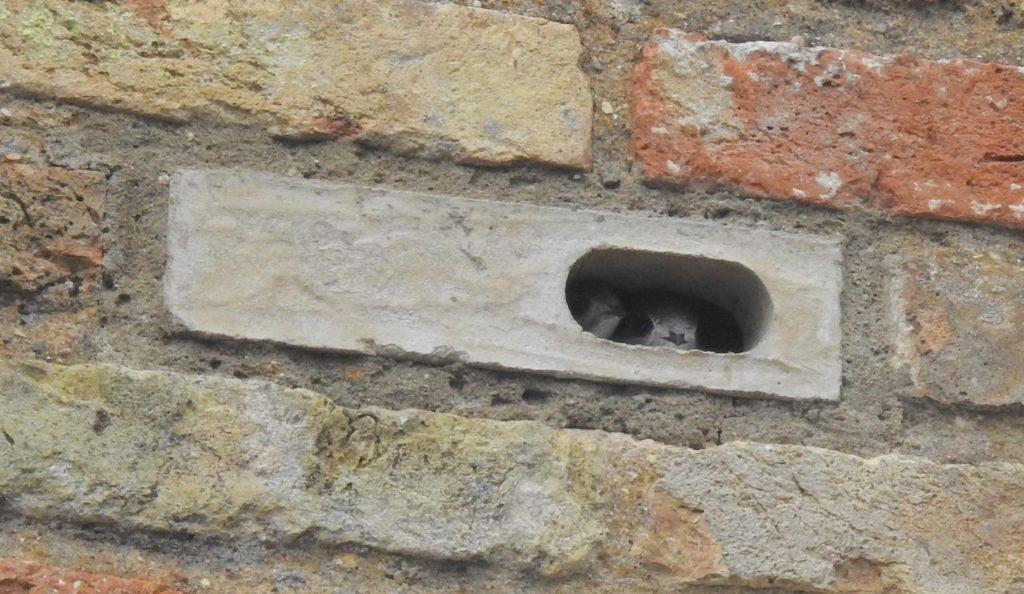
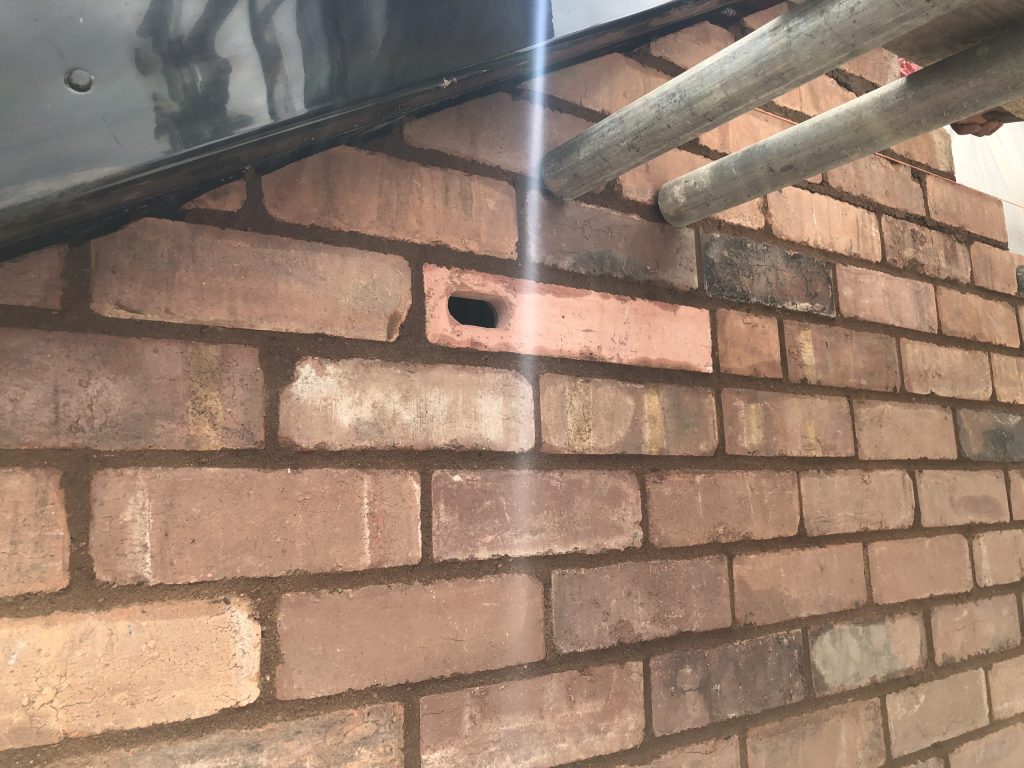
Swift bricks are hollow bricks that provide a cavity nesting habitat for swifts and other cavity nesting birds.
Although Swifts are flying the flag for the bricks, surveys show other bird species also use them, including housemartins, starlings, house sparrows, nuthatch, blue tit, coal tits and wren.
They cost approximately £30 each.
Clair added: “We are inadvertently destroying old cavity nesting sites through renovation, demolition and insulation.
“Swift bricks address the loss of nest sites from modern architecture.
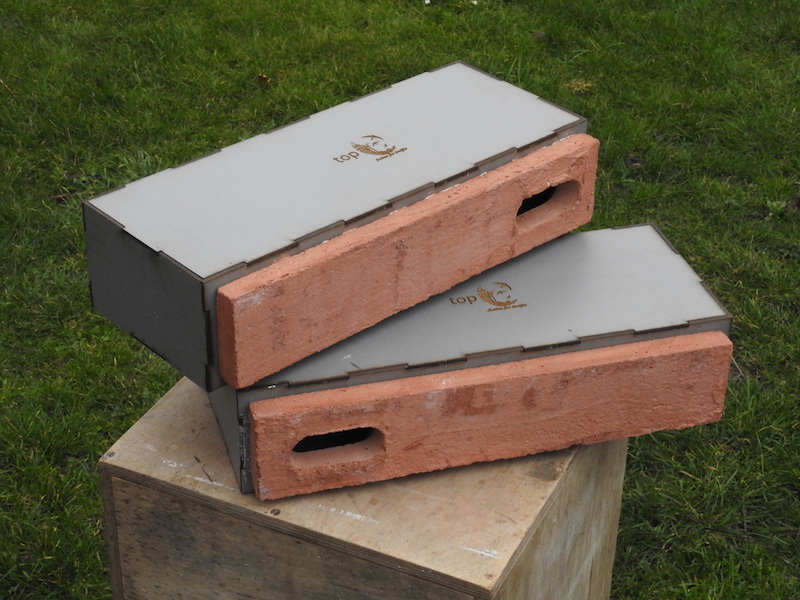
“Swift boxes can also be installed on existing suitable buildings which is something home owners can consider if they wish to help swifts.”
A swift journey
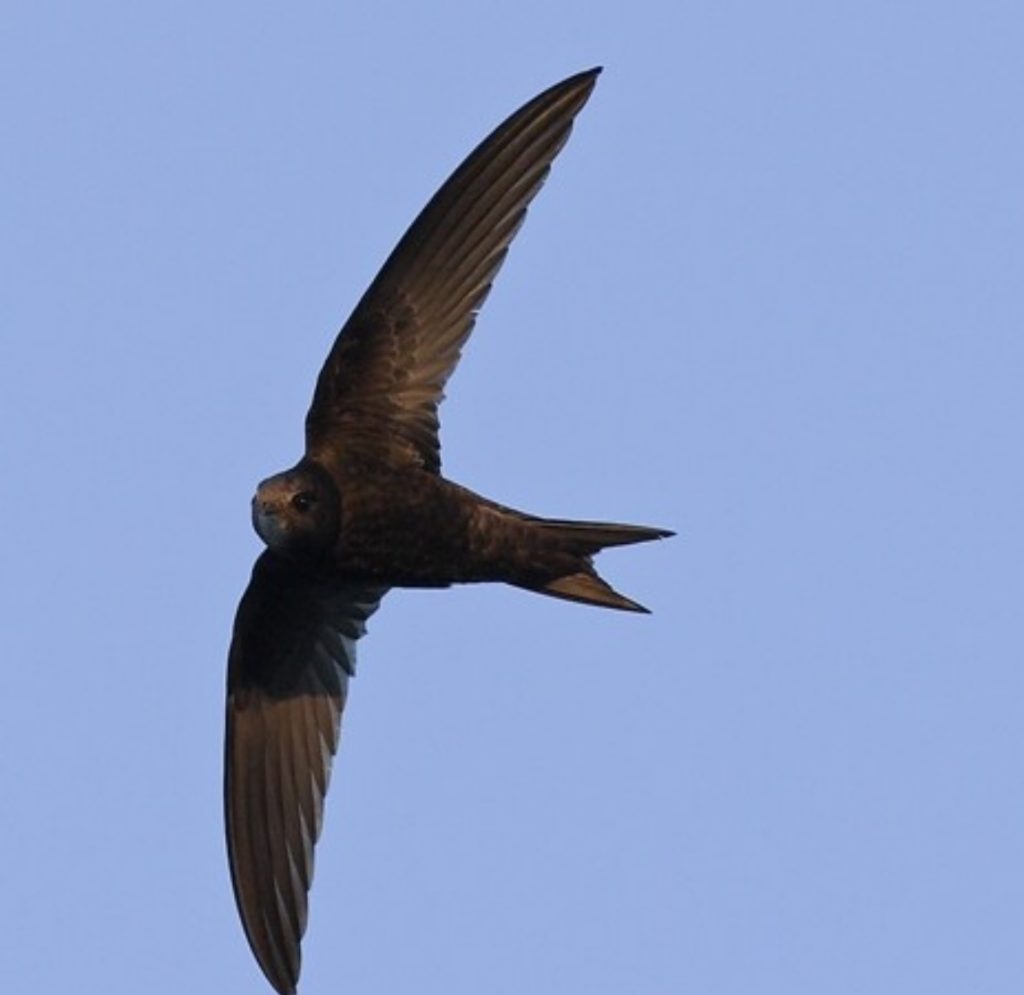
For 60million years, swifts have reigned the skies.
They return every year to the UK to their nest sites to breed.
Swifts are in rapid decline with the breeding population plummeting 63 per cent between 1995 and 2020 and they are now on the red list of endangered birds.
Climate change, declining insect populations and loss of nesting sites are the main factors for this.
Swift bricks are a simple solution.
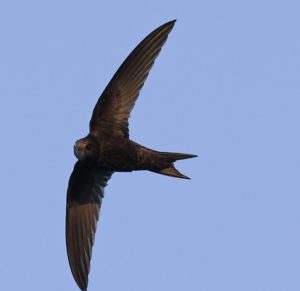
Swifts spend almost all their time in the air – they eat, drink, sleep and mate on the wing.
They come to the UK for 12 weeks every summer, arriving around May to raise one or two chicks and then return to Africa, a round trip of 14,000miles.
Swifts mate for life and meet each other at the same nest site each year.
They are insectivorous birds catching vast numbers of small insects for themselves and their chicks.
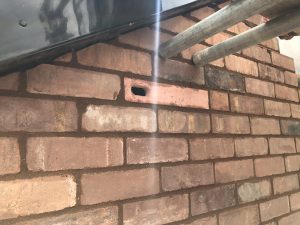
Visit: actionforswifts.blogspot.com for more on swift bricks and swift boxes.
Other useful websites include: swift-conservation.org and rspb.org.uk for further details.
And people can visit the ‘Swift Friends Wyre Forest’ Facebook page to stay up-to-date with the local group’s activities and campaigns.